Featured Videos

This selection of videos from our webinar series provides background information on key issues related to health, equity, and inclusion for people with disabilities as well as practical tips on budgeting and communications.

Strategic Storytelling webinar

Strategic Storytelling

What about your work lights you up? Does your enthusiasm and commitment come through in your proposals and reports? Join us for a workshop to turn your work into an inspirational story that engages everyone from your friends and family to potential funders.

Language Matters webinar

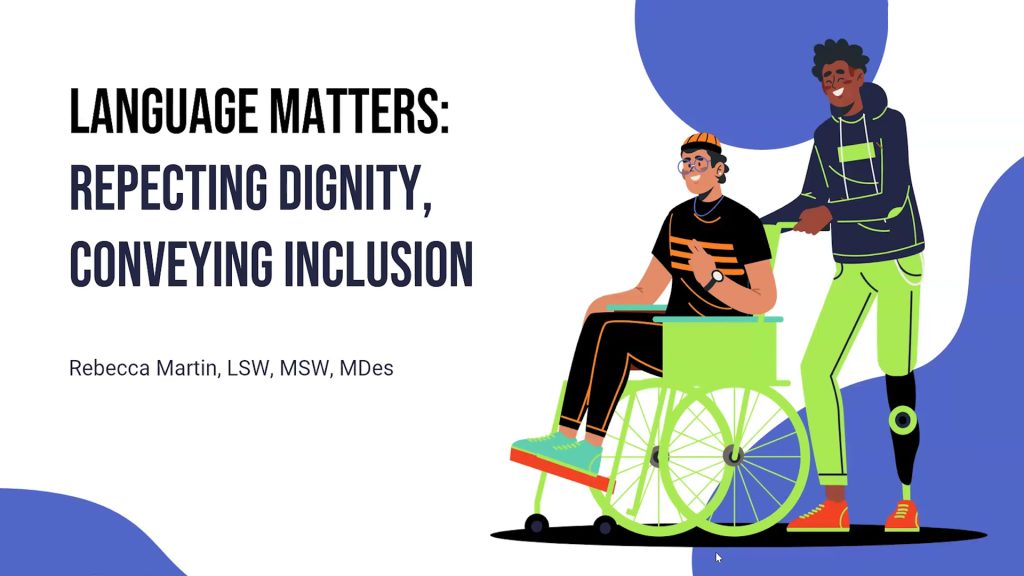
Language Matters

In this virtual training, we discuss various approaches to talking about disability, including nuanced considerations and how to adapt your language in real time. Best practices for how to talk about other intersectional identities (e.g., racial and LGBTQ+ identities) will also be discussed.

Media Gallery

Click on an image to view webinars, informational videos, and presentations from previous events.
Securing funding from grant makers has always been a consuming task – and now with funds being reduced and redirected, the task has become increasingly difficult. In this session, Sarah Napoli explores how the current landscape impacts the disability community.
An introduction to the services offered by NJTIP and how to connect eligible participants to the program.
Prof. Chase Catalano of Virginia Tech discusses liberatory consciousness as a way to cultivate hope and persistence in the face of oppressive dynamics.
This video covers the basics of the IHC program – our approach to health and inclusion for people with disabilities and examples of successful grant recipients.
What is meant by "social determinants of health," and why is the concept such an essential building block for projects seeking to advance health equity.
In this webinar, we discuss how disability rights movements in Mexico and Taiwan can inform the work we do here in the United States.
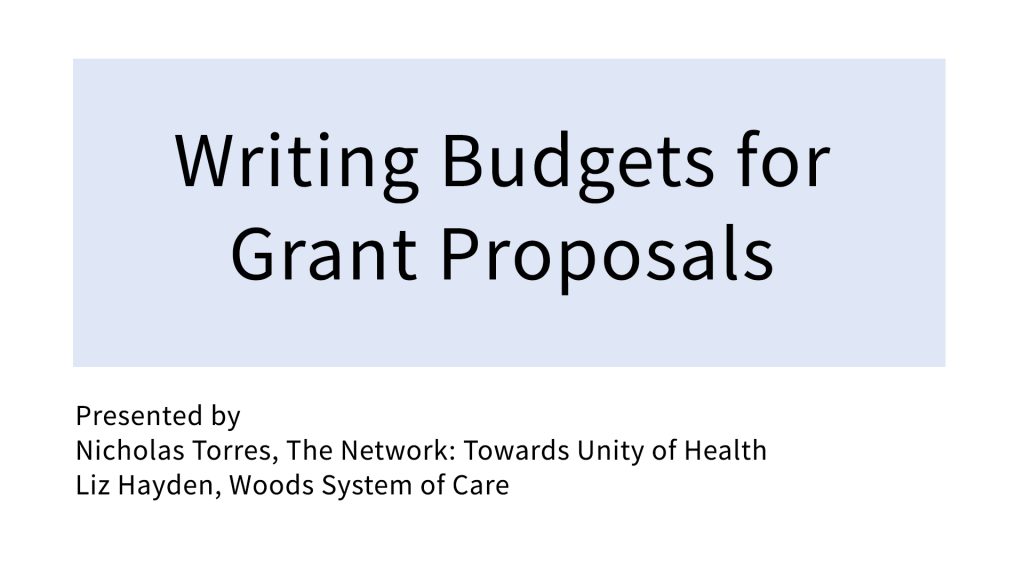
This workshop provides an overview of funding types, examines a sample budget, and explains how to align a budget with the program or project design.
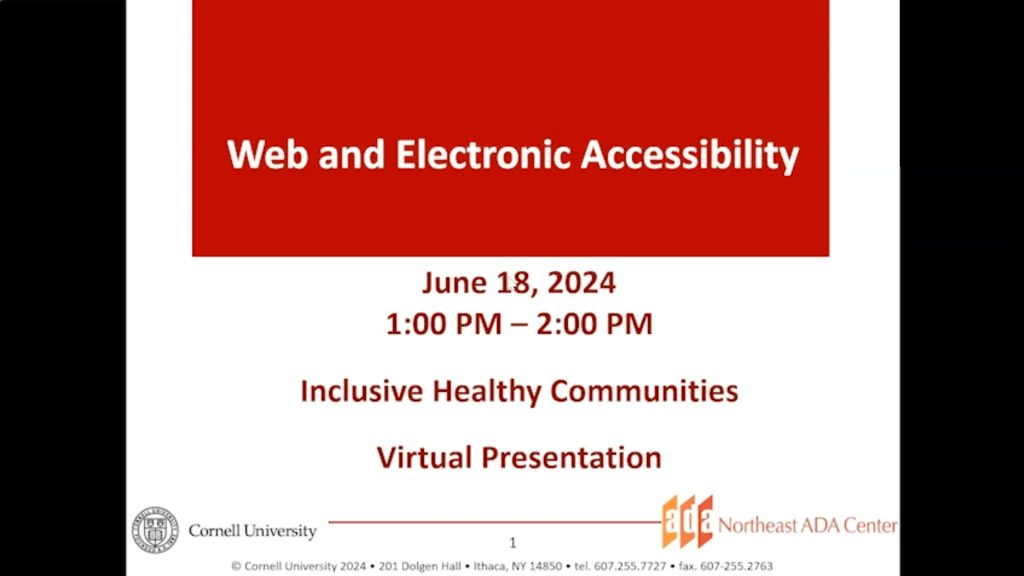
This session in our ADA series gives an overview of ADA best practices for achieving accessibility in the digital space, including websites, social media, and document accessibility.
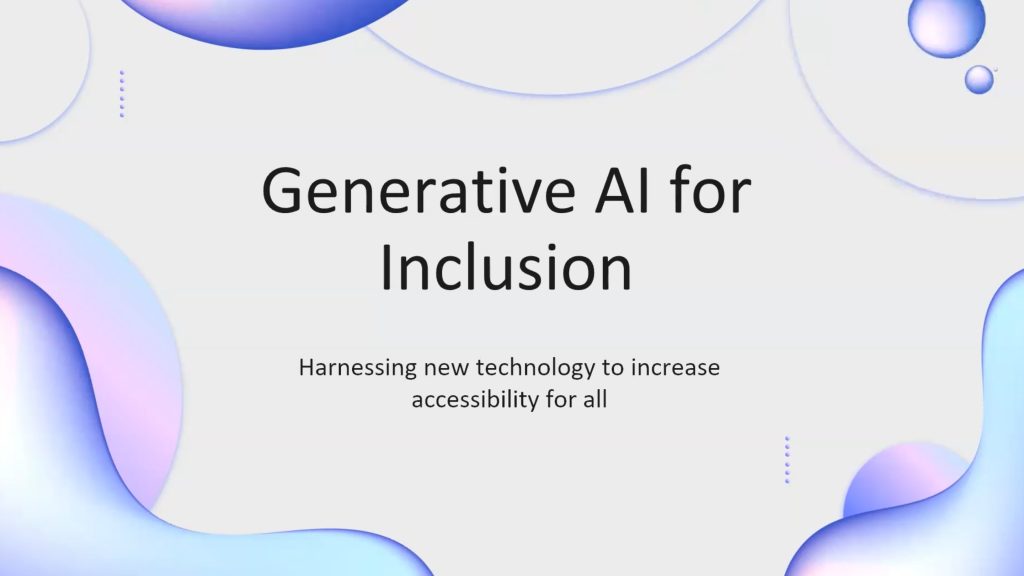
In this webinar, we discuss the ethics of AI for inclusion work, practical considerations, and how to leverage what we know so far to increase accessibility on a shoestring budget.
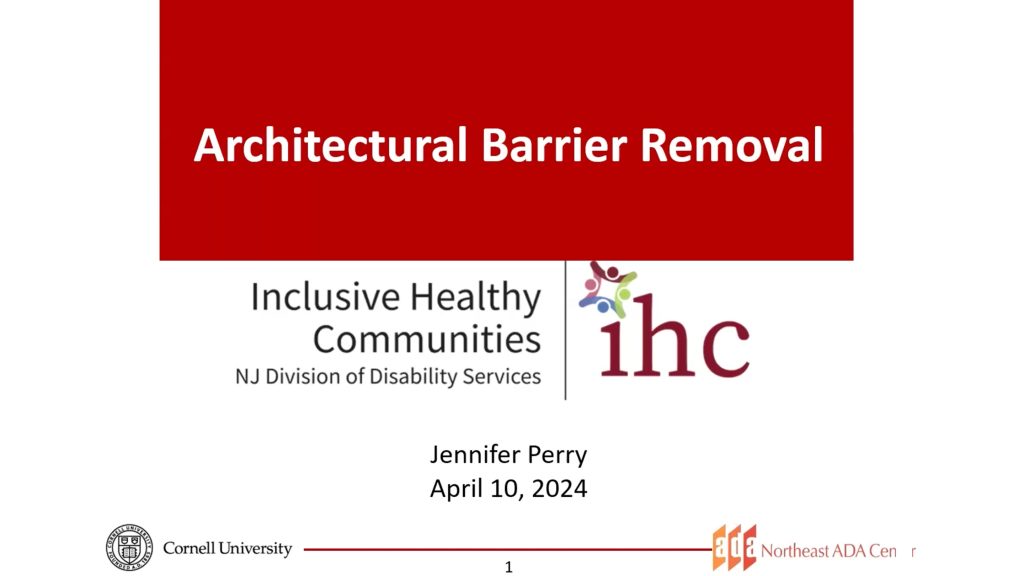
The second session in this series reviews ADA obligation for places of public accommodation to remove barriers to accessibility when it is readily achievable to do so.
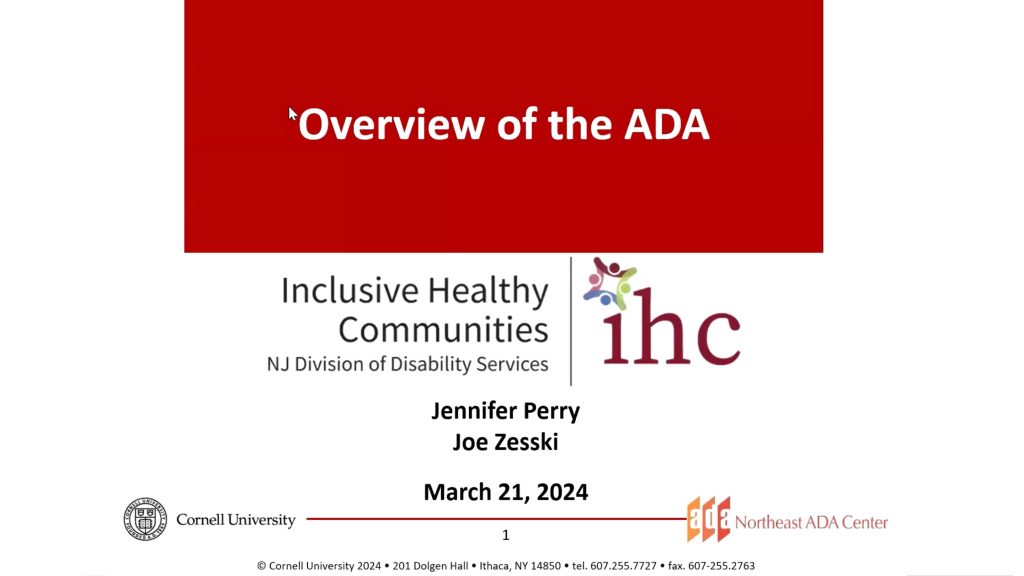
Join Joe Zesski and Jennifer Perry of the Northeast ADA Center for the first of three sessions on the Americans with Disabilities Act (ADA). This session will review how the ADA defines “a person with a disability,” where and when the ADA applies, who has obligations under the ADA, and the various enforcement agencies involved with the ADA.
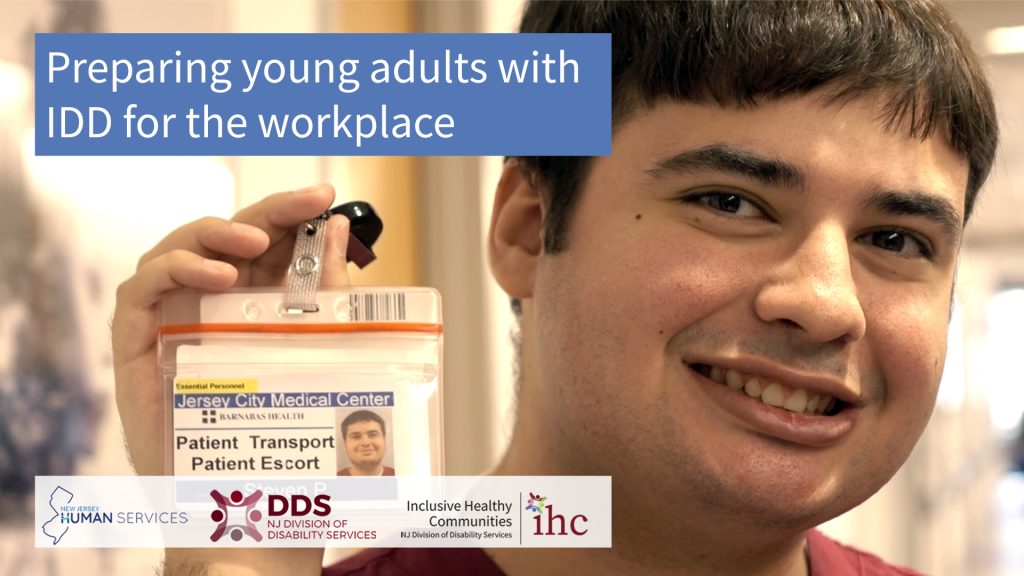
An Inclusive Healthy Communities (IHC) grant from the New Jersey Department of Human Services, Division of Disability Services, is helping Hudson County expand Project SEARCH, an innovative workforce training program for young adults with intellectual and developmental disabilities.
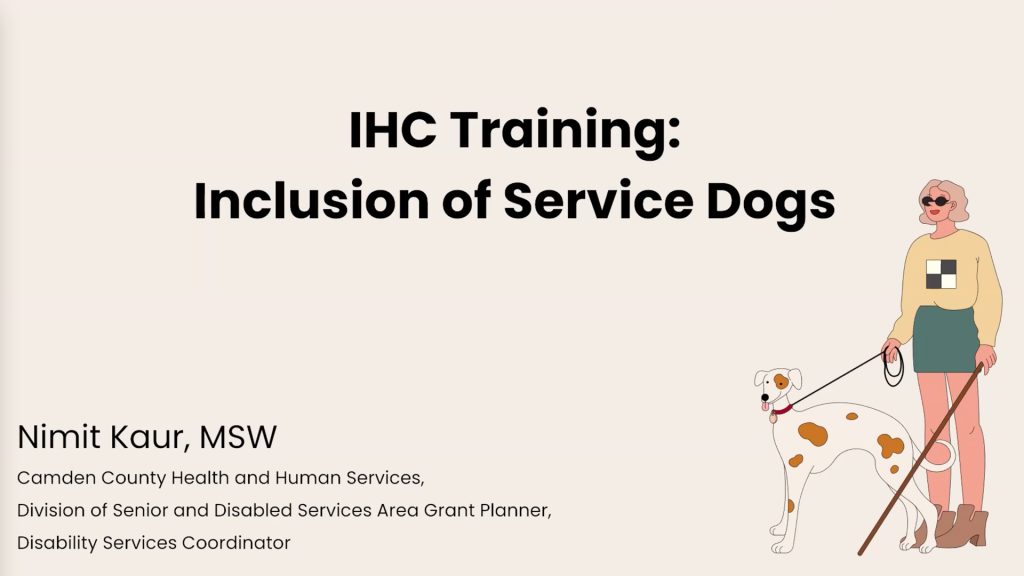
Nimit Kaur discusses her personal journey as a guide dog user and explores the distinction between service animals and emotional support animals as well as relevant legislation.
What about your work lights you up? Does your enthusiasm and commitment come through in your proposals and reports? Join us for a workshop to turn your work into an inspirational story that engages everyone from your friends and family to potential funders.
In this virtual training, we discuss various approaches to talking about disability, including nuanced considerations and how to adapt your language in real time. Best practices for how to talk about other intersectional identities (e.g., racial and LGBTQ+ identities) will also be discussed.
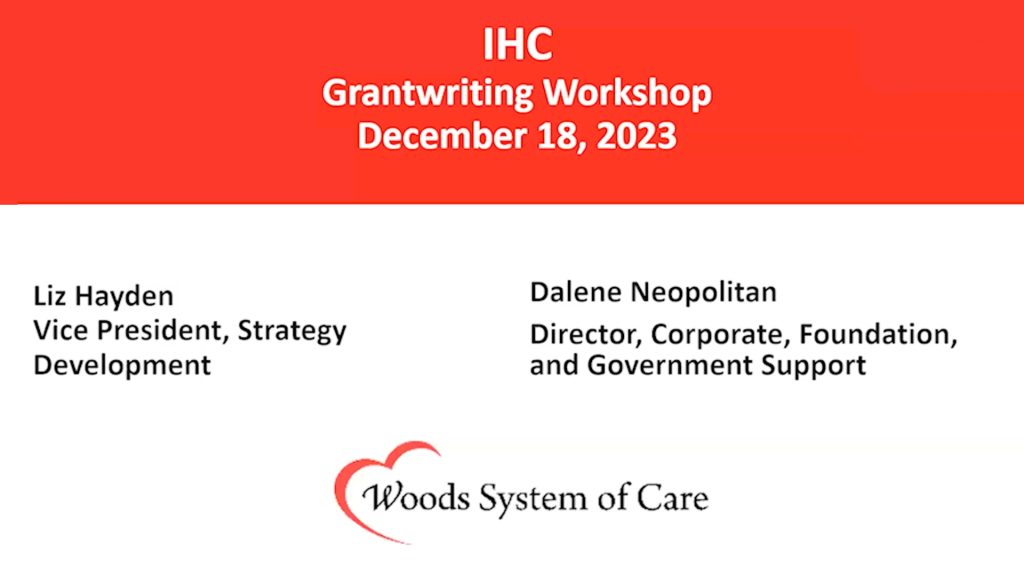
Liz Hayden and Dalene Neopolitan of Woods Services provide a hands-on introduction to writing grant applications, including an overview of the process from prospecting to submission, researching grants, and addressing key questions in typical grant applications.
The Pinelands Preservation Alliance is working with the disability community to make natural areas in New Jersey's beautiful Pinelands region more accessible for people with disabilities.
The Rowan-Virtua Regional Integrated Special Needs (RISN) Center at Rowan University is elevating the standard of healthcare for women with developmental disabilities.
Young Audiences, New Jersey & Eastern Pennsylvania, is developing innovative arts programs for schoolchildren with disabilities.
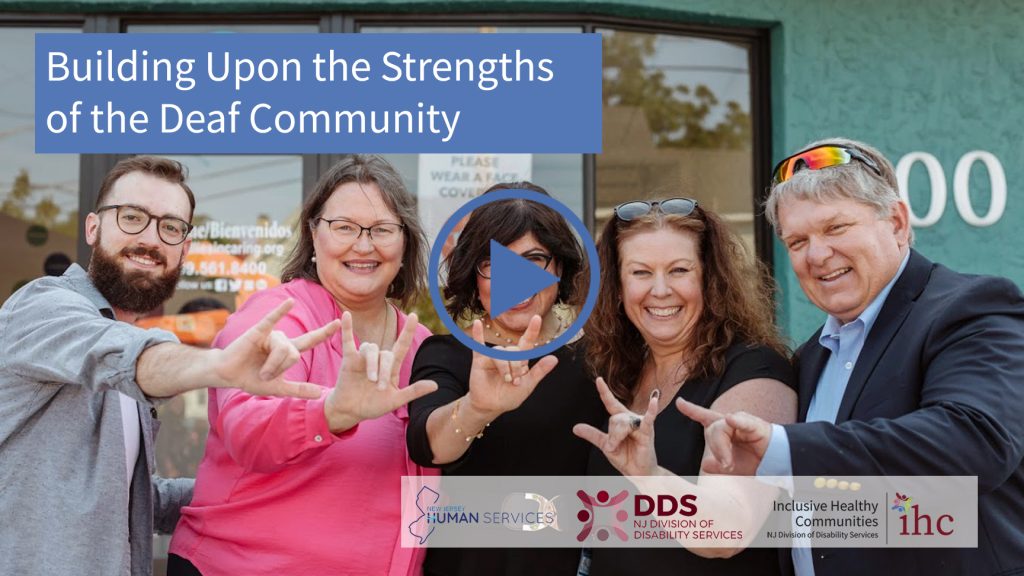
Allies in Caring is developing a network of individuals and organizations within the Deaf and Hard of Hearing community to provide each other with support and services.
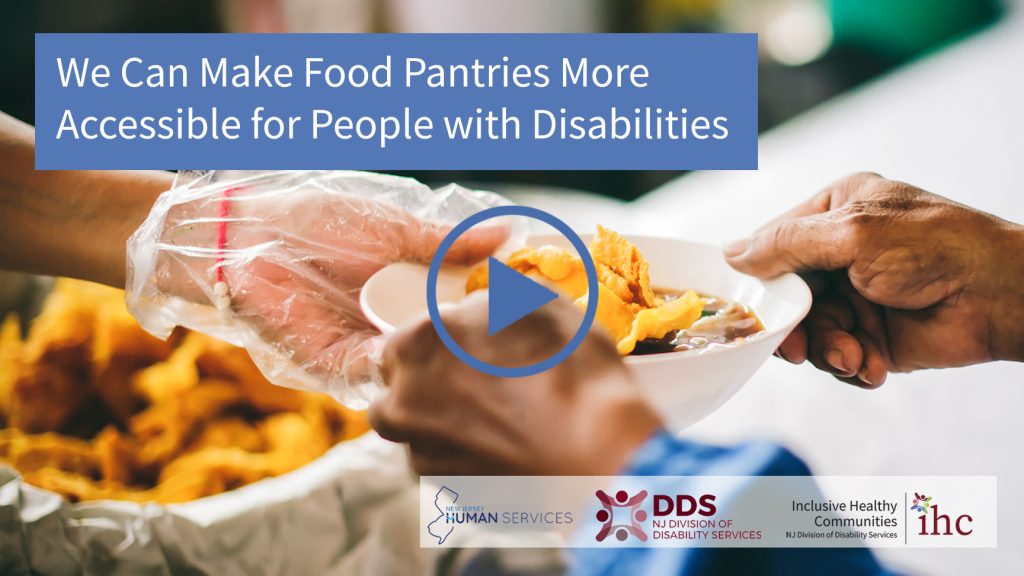
Food insecurity is more common and severe in households affected by disabilities. The Trenton Health Team is addressing the problem by helping to improve food pantry accessibility in Mercer County, New Jersey.
View accessible slides from the speakers at our June 27, 2023, conference.
An introduction to the Inclusive Healthy Communities program, launched in 2021 by the  Division of Disability Services, NJ Department of Human Services.
Allies In Caring (AIC) has focused on the development of community health workers who are Deaf and Hard of Hearing (DHOH) to better serve the needs of other DHOH individuals within their region. Their team will discuss this vital work and the outcomes of their IHC project.
Professionals from the Family Resource Network discuss their IHC project, which culminated in the development of a tool to assess environments for accessibility. They will also discuss what they’ve learned over the two grant cycles in which they’ve participated.
A panel of experts and advocates discuss methods of improving accessibility and inclusion in online programming. Learn about quick actions you can take to improve accessibility as well as longer-term advocacy considerations.
Join Mayor Jaclyn Veasy and Councilwoman Heather Cooper of Evesham Township for a discussion of their innovative approach to creating permanent change within the municipality to ensure disability inclusion remains a priority.
Jennifer Papa, executive director of City Green, and Carleton Montgomery, executive director of Pinelands Preservation Alliance, discuss how their organizations are making the outdoors more accessible to people with disabilities.
Explore the beauty of making mistakes! Sarah Napoli discusses the nuances of disability identity and working towards feeling more comfortable venturing into the unknown.
Elaine Katz, Senior Vice President, Grants and Communications, at the Kessler Foundation, offers practical advice on how to write successful grant proposals.
Kris McElroy reflects on his experiences as a biracial Black autistic transman living with multiple disabilities and chronic illnesses.
Wendy Aita of the Rowan RISN Center and Liz Hayden of  Woods Services discuss their organization's efforts to improve health care delivery for individuals with intellectual disabilities.
This introduction to implicit bias, presented by Sarah Napoli of Open Society Foundations, examines how our identities, cultural backgrounds, and lived experiences inform how we interact with difference.
Rebecca Martin of Rutgers University leads a discussion of how organizations can form strategic networks to strengthen their disability-inclusion work while staying true to the disability mantra “nothing about us without us.”
An Inclusive Healthy Communities (IHC) grant from the New Jersey Department of Human Services, Division of Disability Services, is helping Hudson County expand Project SEARCH, an innovative workforce training program for young adults with intellectual and developmental disabilities.
The Pinelands Preservation Alliance is working with the disability community to make natural areas in New Jersey's beautiful Pinelands region more accessible for people with disabilities.
The Rowan-Virtua Regional Integrated Special Needs (RISN) Center at Rowan University is elevating the standard of healthcare for women with developmental disabilities.
Young Audiences, New Jersey & Eastern Pennsylvania, is developing innovative arts programs for schoolchildren with disabilities.
Allies in Caring is developing a network of individuals and organizations within the Deaf and Hard of Hearing community to provide each other with support and services.
Food insecurity is more common and severe in households affected by disabilities. The Trenton Health Team is addressing the problem by helping to improve food pantry accessibility in Mercer County, New Jersey.
An introduction to the Inclusive Healthy Communities program, launched in 2021 by the  Division of Disability Services, NJ Department of Human Services.
Allies In Caring (AIC) has focused on the development of community health workers who are Deaf and Hard of Hearing (DHOH) to better serve the needs of other DHOH individuals within their region. Their team will discuss this vital work and the outcomes of their IHC project.
Professionals from the Family Resource Network discuss their IHC project, which culminated in the development of a tool to assess environments for accessibility. They will also discuss what they’ve learned over the two grant cycles in which they’ve participated.
Join Mayor Jaclyn Veasy and Councilwoman Heather Cooper of Evesham Township for a discussion of their innovative approach to creating permanent change within the municipality to ensure disability inclusion remains a priority.
Jennifer Papa, executive director of City Green, and Carleton Montgomery, executive director of Pinelands Preservation Alliance, discuss how their organizations are making the outdoors more accessible to people with disabilities.
Wendy Aita of the Rowan RISN Center and Liz Hayden of  Woods Services discuss their organization's efforts to improve health care delivery for individuals with intellectual disabilities.
Securing funding from grant makers has always been a consuming task – and now with funds being reduced and redirected, the task has become increasingly difficult. In this session, Sarah Napoli explores how the current landscape impacts the disability community.
An introduction to the services offered by NJTIP and how to connect eligible participants to the program.
Prof. Chase Catalano of Virginia Tech discusses liberatory consciousness as a way to cultivate hope and persistence in the face of oppressive dynamics.
What is meant by "social determinants of health," and why is the concept such an essential building block for projects seeking to advance health equity.
In this webinar, we discuss how disability rights movements in Mexico and Taiwan can inform the work we do here in the United States.
This workshop provides an overview of funding types, examines a sample budget, and explains how to align a budget with the program or project design.
This session in our ADA series gives an overview of ADA best practices for achieving accessibility in the digital space, including websites, social media, and document accessibility.
In this webinar, we discuss the ethics of AI for inclusion work, practical considerations, and how to leverage what we know so far to increase accessibility on a shoestring budget.
The second session in this series reviews ADA obligation for places of public accommodation to remove barriers to accessibility when it is readily achievable to do so.
Join Joe Zesski and Jennifer Perry of the Northeast ADA Center for the first of three sessions on the Americans with Disabilities Act (ADA). This session will review how the ADA defines “a person with a disability,” where and when the ADA applies, who has obligations under the ADA, and the various enforcement agencies involved with the ADA.
Nimit Kaur discusses her personal journey as a guide dog user and explores the distinction between service animals and emotional support animals as well as relevant legislation.
What about your work lights you up? Does your enthusiasm and commitment come through in your proposals and reports? Join us for a workshop to turn your work into an inspirational story that engages everyone from your friends and family to potential funders.
In this virtual training, we discuss various approaches to talking about disability, including nuanced considerations and how to adapt your language in real time. Best practices for how to talk about other intersectional identities (e.g., racial and LGBTQ+ identities) will also be discussed.
Liz Hayden and Dalene Neopolitan of Woods Services provide a hands-on introduction to writing grant applications, including an overview of the process from prospecting to submission, researching grants, and addressing key questions in typical grant applications.
View accessible slides from the speakers at our June 27, 2023, conference.
A panel of experts and advocates discuss methods of improving accessibility and inclusion in online programming. Learn about quick actions you can take to improve accessibility as well as longer-term advocacy considerations.
Explore the beauty of making mistakes! Sarah Napoli discusses the nuances of disability identity and working towards feeling more comfortable venturing into the unknown.
Elaine Katz, Senior Vice President, Grants and Communications, at the Kessler Foundation, offers practical advice on how to write successful grant proposals.
Kris McElroy reflects on his experiences as a biracial Black autistic transman living with multiple disabilities and chronic illnesses.
This introduction to implicit bias, presented by Sarah Napoli of Open Society Foundations, examines how our identities, cultural backgrounds, and lived experiences inform how we interact with difference.
Rebecca Martin of Rutgers University leads a discussion of how organizations can form strategic networks to strengthen their disability-inclusion work while staying true to the disability mantra “nothing about us without us.”